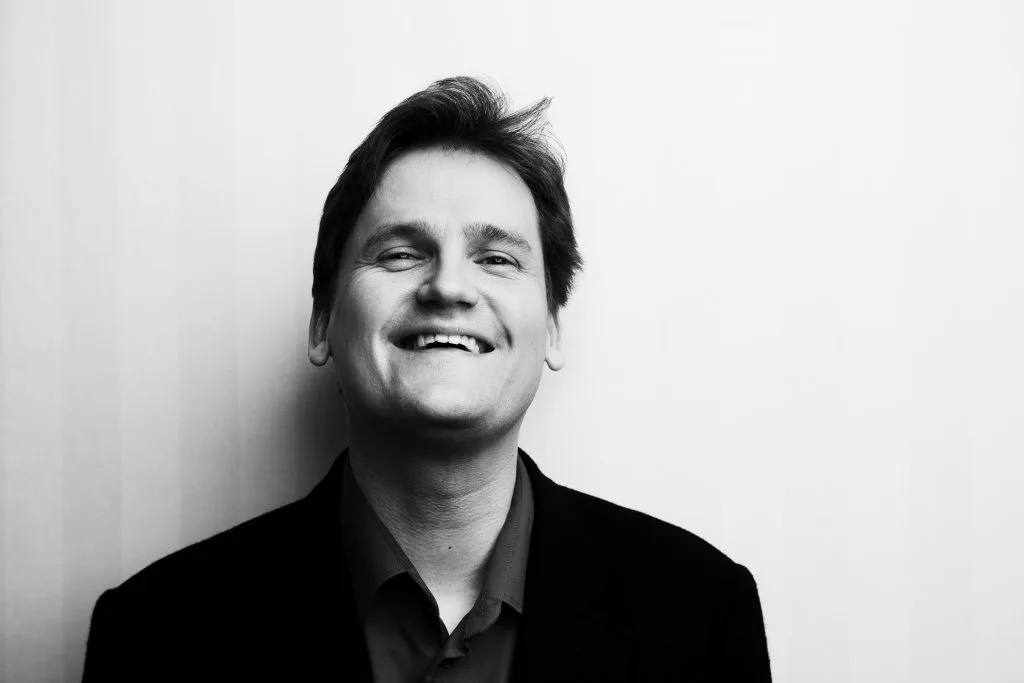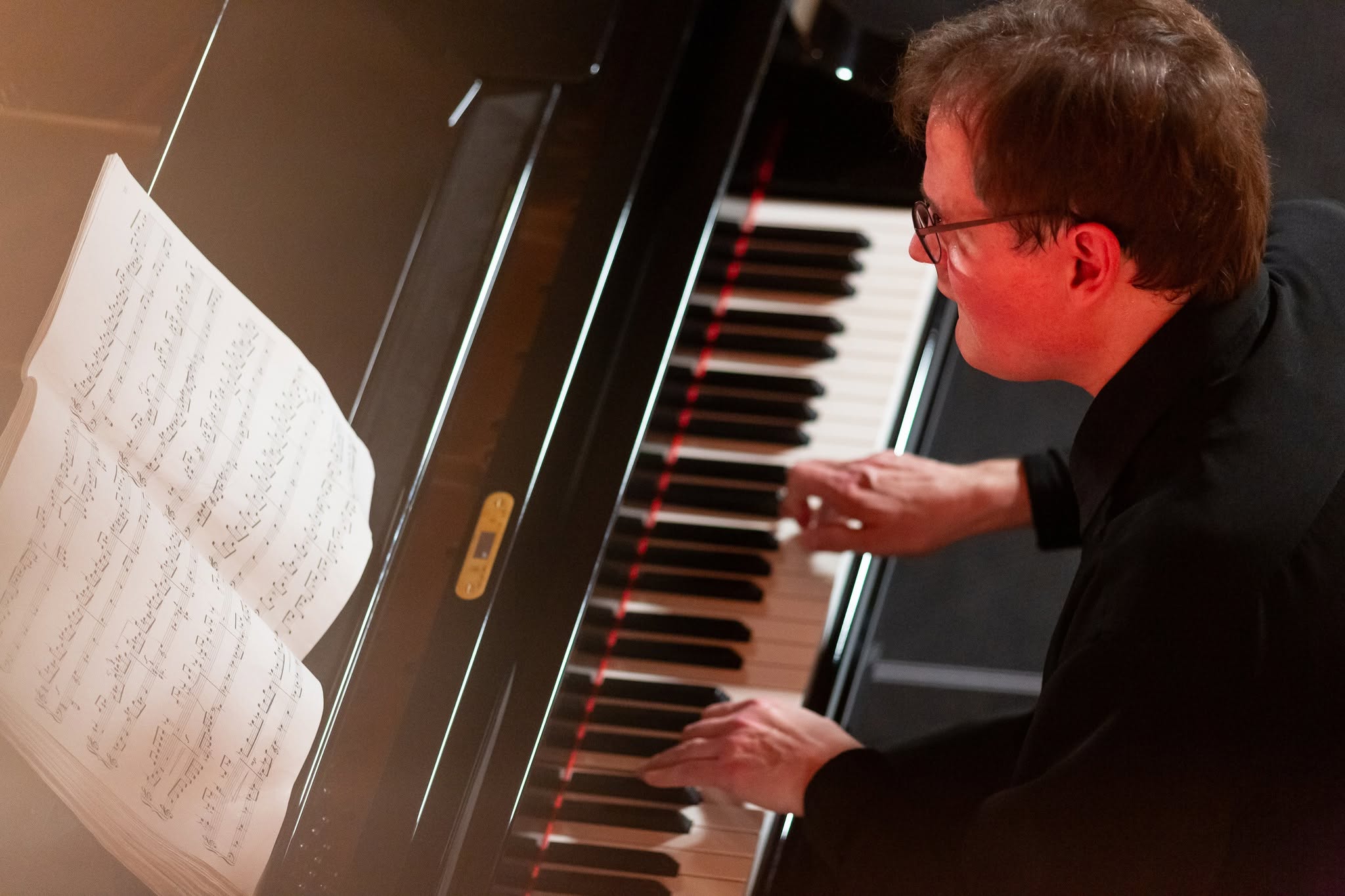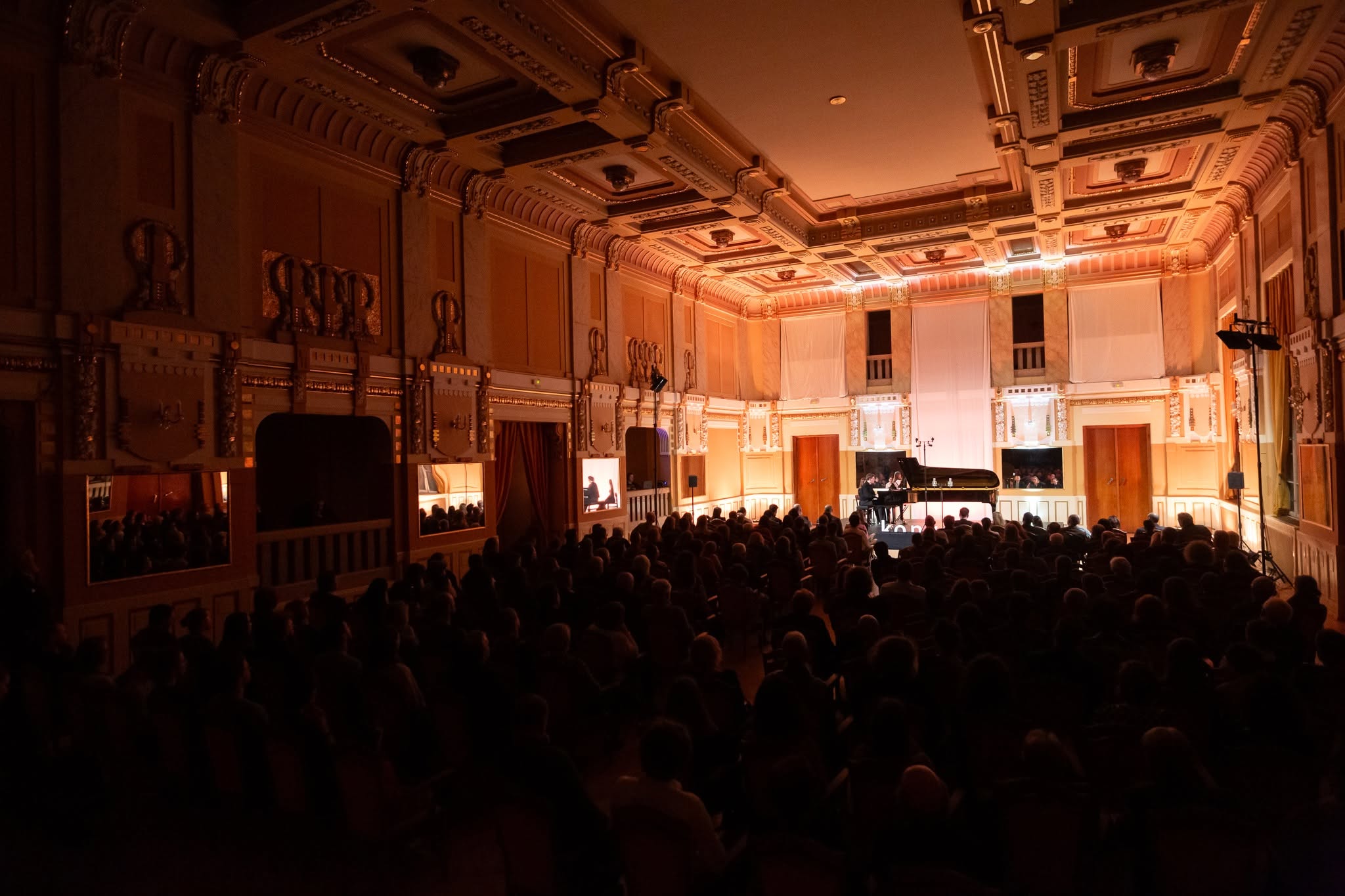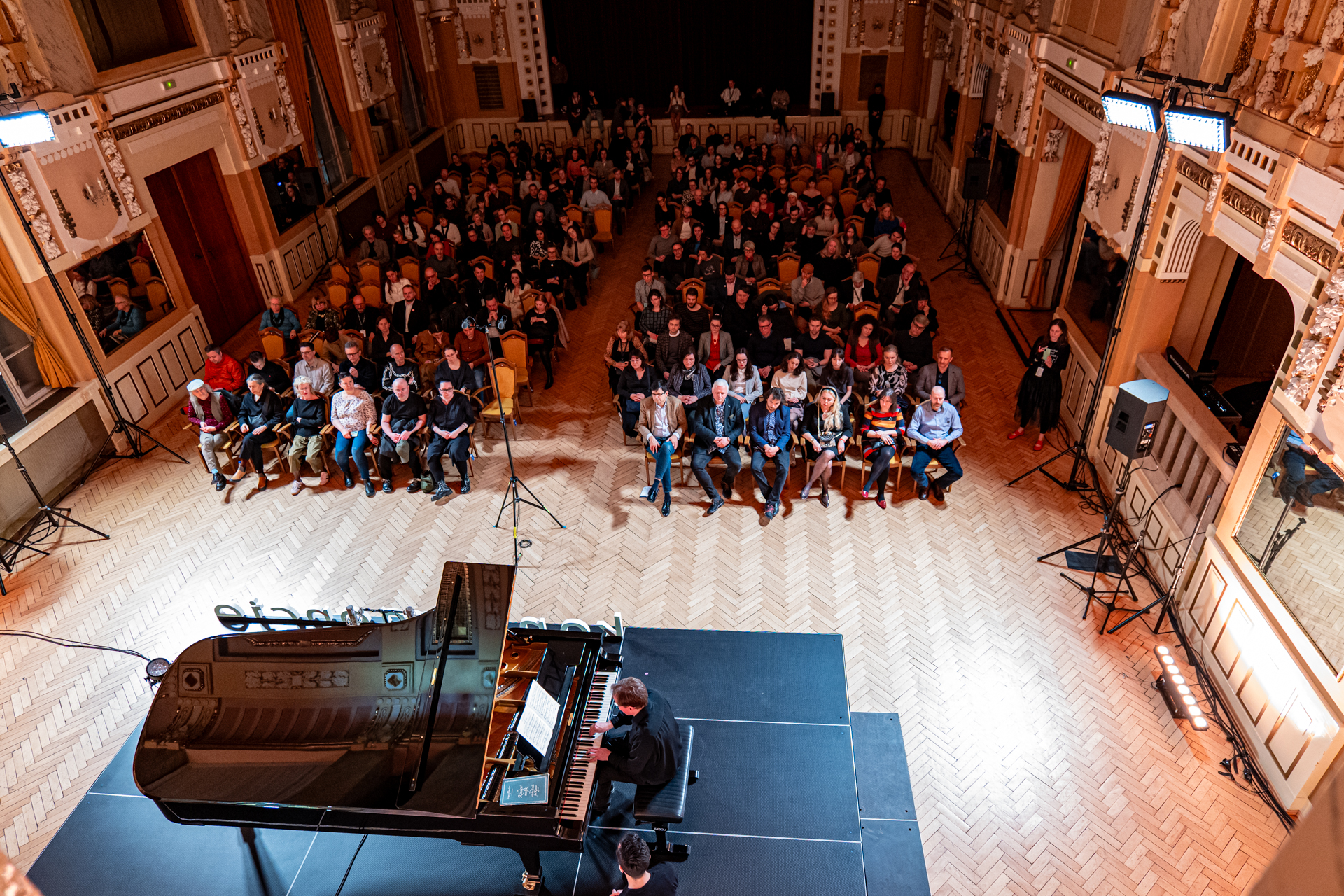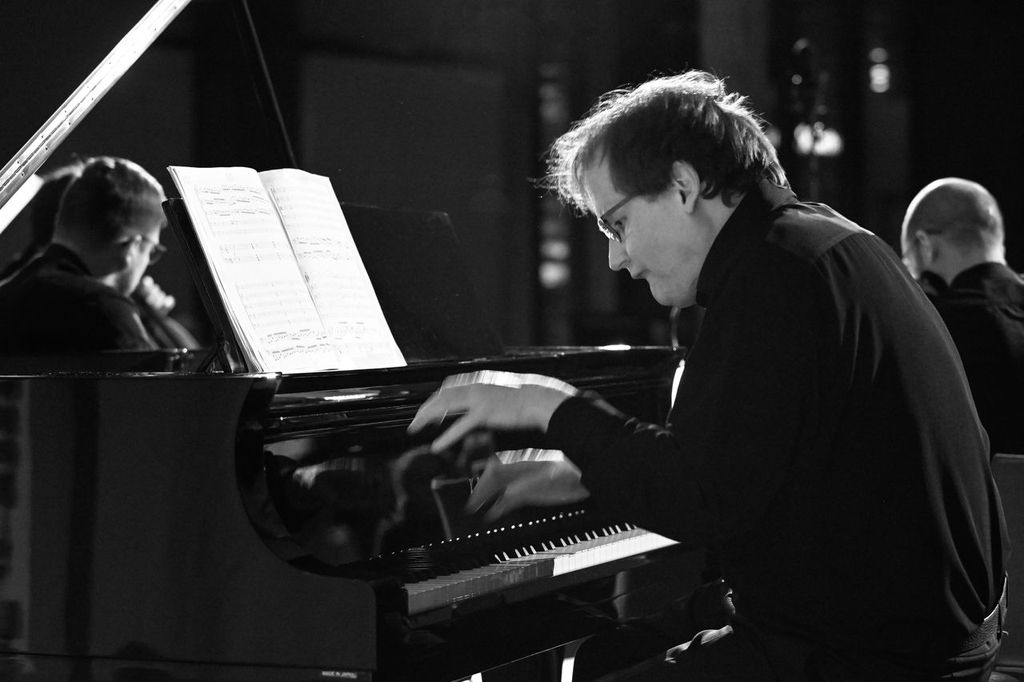
The earliest known report about Ludwig van Beethoven in the Hungarian press comes from the Pressburger Zeitung (7 April 1795) – less than three years after he left Bonn. It reports on concerts at the Vienna Burgtheater, at which “the well-known Mr Ludwig van Beethoven presented himself with his entirely new concerto composed for the pianoforte, which earned unanimous acclaim”. Beethoven’s first visit to the Kingdom of Hungary took him to today’s Bratislava (Pressburg), from where he continued his concert journey to Pest. The information about his stay in the city is based on the composer’s letter of 19 November 1796 to the Viennese piano maker Johann Andreas Streicher. Other reported stays of Beethoven on the territory of today’s Slovakia (Dolná Krupá, Hlohovec, Piešťany) are hypotheses based on his contacts with the noble families Erdődy, Keglevich (his pupil Babette Keglevich was the dedicatee of the Piano Sonata Op. 7 and the First Piano Concerto) and Brunsvik (the “Appassionata” is dedicated to Franz Brunsvik), who owned the manor house in Dolná Krupá. The composer had both professional and personal ties to the territory of present-day Slovakia. Besides Nikolaus Zmeskall, a native of Orava, and the admired piano virtuoso, composer and conductor Johann Nepomuk Hummel, his circle of acquaintances also included the Bratislava composer and musician Heinrich Klein. Another important “Beethoven tradition” was the regular performance of the Missa solemnis in St Martin’s Cathedral, where, thanks to the Church Music Society, it was heard twenty-three times up to the 1920s. To mark the 200th anniversary of the composer’s death, the Konvergencie Festival is preparing a unique performance of the complete piano sonatas by the exceptional Finnish pianist Olli Mustonen. The concert cycle will also include the composer’s chamber works and accompanying events.